.png)
THE Ultimate Guide to Stress Relief: Massage vs. Meditation
Does Stress Have You Trapped in a Never-Ending Cycle?
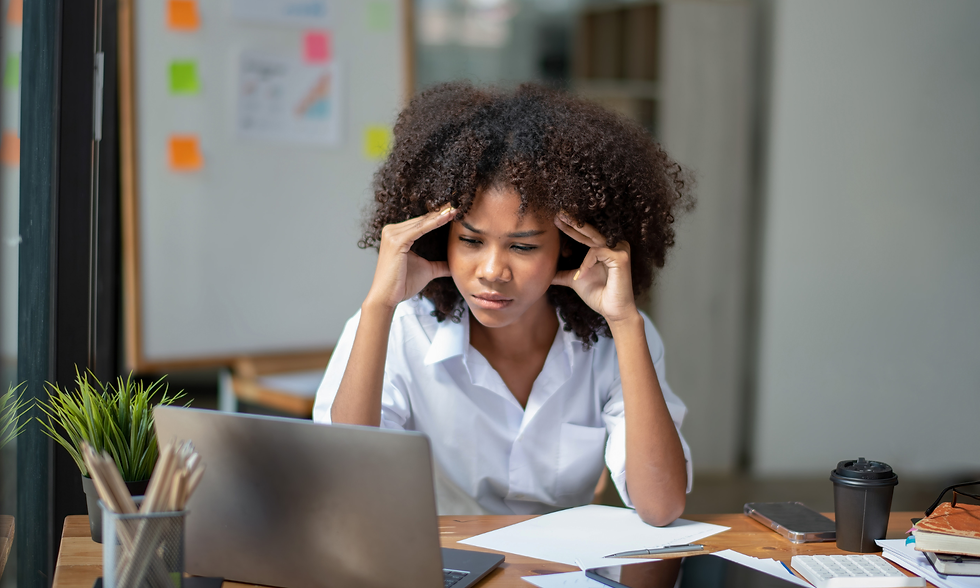
You know the feeling all too well. Your shoulders are tight, your jaw is clenched, and that nagging headache just won't quit. You've tried deep breathing at your desk, downloaded three meditation apps, and told yourself you'll "relax this weekend"—but the stress keeps piling up.
You're not alone. Over 75% of adults report experiencing physical symptoms caused by stress, and the search for effective relief has never been more urgent. Two solutions consistently rise to the top: massage therapy and meditation. But which one is right for you? And more importantly, do you have to choose?
In this comprehensive guide, we'll break down the science, benefits, and practical applications of both approaches—so you can finally find the stress relief that actually works for your life.
Understanding Your Stress: It's Physical AND Mental
Before we dive into solutions, let's get clear on what's happening in your body when stress strikes.
Stress isn't just "in your head." When you're stressed, your body releases cortisol and adrenaline, triggering physical responses:
Muscle tension and pain (especially in the neck, shoulders, and back)
Elevated heart rate and blood pressure
Disrupted sleep patterns
Digestive issues
Weakened immune function
Mental fog and difficulty concentrating
The key insight? Stress manifests in both your mind and your body. That's why the most effective stress relief addresses both dimensions.
Meditation: Training Your Mind to Handle Stress

What Is Meditation for Stress Relief?
Meditation is a mental practice that trains your awareness and attention. When used for stress relief, meditation helps you observe your thoughts and emotions without being overwhelmed by them.
The Benefits of Meditation
Mental and Emotional Benefits:
Reduces anxiety and racing thoughts
Improves focus and mental clarity
Enhances emotional regulation
Builds long-term resilience to stress
Costs nothing and can be done anywhere
Physical Benefits:
Lowers blood pressure over time
Reduces cortisol levels
Improves heart rate variability
Supports better sleep quality
When Meditation Works Best
Meditation is particularly effective for:
Daily stress management and prevention
Anxiety and overthinking patterns
Building long-term stress resilience
Situations where you need immediate mental calm (using quick breathing techniques)
People who prefer self-directed wellness practices
The Challenges of Meditation
Let's be honest—meditation isn't easy for everyone:
Requires consistent practice to see results
It can be difficult for beginners to "quiet the mind"
Doesn't directly address physical muscle tension
May feel ineffective during high-stress periods
Needs discipline and time commitment
Massage Therapy: Releasing Stress from Your Body

What Is Massage Therapy for Stress Relief?
Massage therapy involves the hands-on manipulation of muscles and soft tissues to release physical tension, improve circulation, and activate your body's relaxation response.
The Benefits of Massage Therapy
Physical Benefits:
Immediately releases muscle tension and knots.
Reduces physical pain caused by stress
Improves circulation and lymphatic drainage
Lowers blood pressure and heart rate
Triggers the release of endorphins (natural painkillers)
Mental and Emotional Benefits:
Activates the parasympathetic nervous system (rest and digest mode)
Reduces cortisol and increases serotonin and dopamine
Provides emotional release and relief
Creates a forced "pause" from daily stressors
Offers a healing human connection through therapeutic touch
When Massage Works Best
Massage therapy is particularly effective for:
Immediate relief from physical stress symptoms (tight muscles, headaches, pain)
Stress that manifests physically in your body
People who struggle to relax through mental practices alone
Breaking the cycle of chronic tension
Those who need guided relaxation rather than self-directed practice
Types of Massage for Stress Relief
Different massage modalities target stress in different ways:
Swedish Massage: Gentle, flowing strokes that promote overall relaxation and stress reduction. Perfect for first-timers or those seeking pure relaxation.
Deep Tissue Massage: Targets chronic muscle tension and knots caused by long-term stress. Ideal if you carry stress physically in specific areas like your neck, shoulders, or lower back.
Aromatherapy Massage: Combines massage with essential oils to enhance relaxation and emotional balance.
Hot Stone Massage: Uses heated stones to melt away tension and create deep relaxation.
The Challenges of Massage Therapy
Massage therapy considerations:
Requires scheduling and financial investment
Benefits are temporary without regular sessions.
Requires trust and comfort with physical touch
Not as accessible as meditation for daily practice
The Verdict: Massage vs. Meditation for Stress Relief

Here's the truth: you don't have to choose.
The most effective stress relief strategy combines both approaches, because they work in complementary ways:
Use Meditation When:
You need daily stress management tools.
You want to build long-term mental resilience.
You're dealing with anxiety or overthinking.
You need a quick mental reset during the day.
You're working on emotional regulation.
Use Massage When:
Your stress manifests as physical pain or tension.
You need immediate, profound relaxation.
You're breaking a cycle of chronic stress.
You want to reset your nervous system.
You need dedicated "you time" away from responsibilities.
The Powerful Combination
Many of our clients discover that massage therapy makes their meditation practice easier. When your body is relaxed and pain-free, your mind can settle more naturally. Similarly, a regular meditation practice helps you tune into your body's stress signals earlier—so you can address them with massage before they become chronic.
Creating Your Personalized Stress Relief Plan
For Chronic Stress and Burnout:
Weekly massage therapy (Swedish or Deep Tissue) for the first month to break the stress cycle
Daily 10-minute meditation to maintain mental clarity
Transition to bi-weekly or monthly massage as maintenance
For Occasional Stress and Prevention:
Monthly massage sessions to release accumulated tension
Daily meditation practice (5-15 minutes) for ongoing resilience
Additional massage during particularly stressful periods
For Physical Stress Symptoms:
Bi-weekly Deep Tissue massage targeting problem areas
Body scan meditation to increase awareness of tension patterns
Stretching and movement between sessions
For Mental and Emotional Stress:
Swedish or Aromatherapy massage monthly for nervous system regulation
Guided meditation or breathwork daily
Mindfulness practices throughout the day
Your Next Step: Find What Works for YOUR Body
The best stress relief is the one you'll actually use. Some people thrive with meditation, others need the physical release of massage, and many find that combining both creates lasting transformation.
Ready to Experience the Power of Massage Therapy?
If you're tired of living with constant tension and stress that just won't quit, it's time to try a different approach.
Book your stress-relief massage session today and discover how professional massage therapy can transform not just how your body feels, but how you handle stress in every area of your life.
Are you unsure which massage type is right for you? [Take Our Free 2-Minute Stress Relief Quiz https://www.wixforms.com/f/7383472867557508158 ] to get a personalized recommendation based on your specific symptoms and stress patterns.
Remember: Taking care of yourself isn't selfish, it's essential. Your body and mind deserve the relief they've been asking for.


Comments